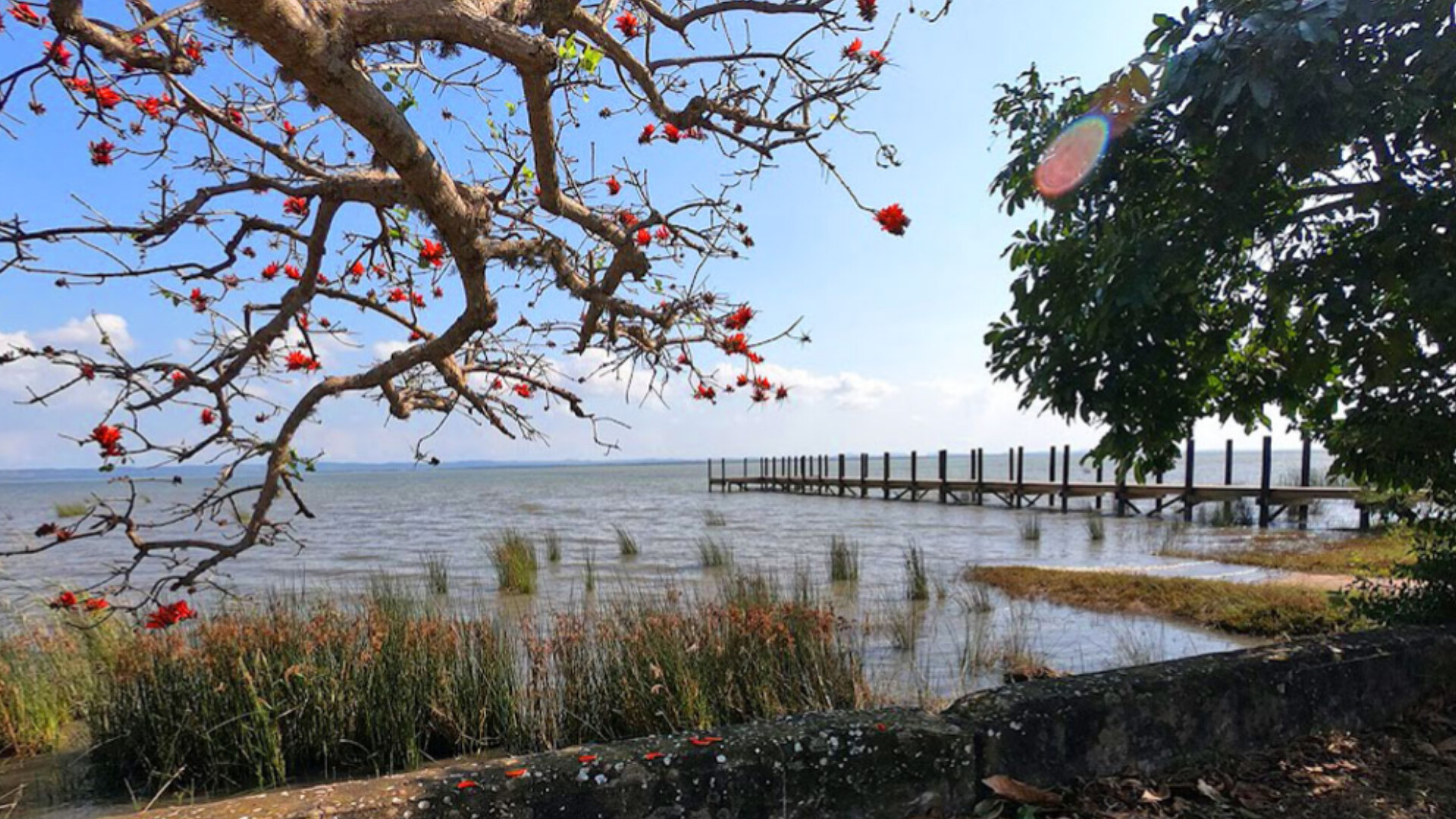
iSimangaliso Wetland Park is one of South Africa’s most diverse and immersive tourism destinations, offering visitors an extraordinary combination of marine, wetland, forest, savannah, and coastal ecosystems within a single protected area. Located along the northeastern coast of KwaZulu-Natal, the park stretches from the Mozambican border in the north to Maphelane in the south and encompasses lakes, coral reefs, beaches, dunes, estuaries, and grasslands. As South Africa’s first UNESCO World Heritage Site, iSimangaliso is internationally recognised not only for its ecological value but also for its exceptional tourism potential, allowing visitors to experience multiple natural environments and activities in one journey.
Tourism at iSimangaliso Wetland Park is defined by variety and accessibility. Unlike destinations that focus on a single attraction, iSimangaliso offers a multi-layered experience where visitors can move from wildlife viewing to beach relaxation, from boat cruises to cultural exploration, often within the same day. This diversity makes the park especially attractive to travellers seeking longer stays, families wanting flexible itineraries, and international visitors looking to experience the full spectrum of South Africa’s natural landscapes.
One of the park’s most popular tourism hubs is Lake St Lucia, Africa’s largest estuarine system and the heart of iSimangaliso. Boat cruises on the lake are among the most sought-after activities, offering visitors close-up views of hippos, crocodiles, and a wide range of bird species in their natural habitat. These guided cruises provide an informative and relaxed way to explore the wetland ecosystem while learning about the delicate balance between freshwater and marine environments. The calm waters and abundant wildlife make lake cruises suitable for visitors of all ages.
Wildlife viewing is a central attraction throughout the park. iSimangaliso is home to elephants, rhinos, buffalo, leopards, antelope species, and a remarkable diversity of birdlife. Game viewing differs from traditional savannah reserves, as animals move between wetlands, forests, and grasslands. Visitors can explore designated sections of the park through self-drive routes or guided game drives, enjoying a quieter and more scenic safari experience compared to larger parks. The coexistence of terrestrial and aquatic wildlife creates a unique viewing environment that sets iSimangaliso apart from other destinations.
Coastal tourism is another defining feature of the park. iSimangaliso protects more than 200 kilometres of pristine coastline, including some of South Africa’s most unspoiled beaches. Destinations such as Cape Vidal are particularly popular, offering a combination of beach relaxation, snorkelling, fishing, and picnic facilities. Visitors can swim in protected bays, explore tidal pools, or simply enjoy the scenery of dunes meeting the Indian Ocean. The absence of large-scale commercial development enhances the sense of natural beauty and exclusivity.
Marine-based tourism reaches its peak during turtle nesting and whale migration seasons. The northern beaches of iSimangaliso are internationally recognised nesting sites for endangered loggerhead and leatherback turtles. Guided night tours during nesting season allow visitors to witness this rare natural phenomenon under strict conservation guidelines. Whale watching, particularly for humpback whales, attracts visitors during migration periods, adding another layer to the park’s tourism calendar.
Adventure and outdoor activities play a significant role in the visitor experience. Kayaking along estuaries and rivers allows tourists to explore narrow waterways surrounded by lush vegetation, offering opportunities for birdwatching and photography. Snorkelling and scuba diving in protected reef areas reveal vibrant marine life, while hiking and cycling trails through coastal forests and dunes provide active ways to engage with the landscape. These activities appeal to travellers seeking physical involvement rather than passive sightseeing.
The archaeological and cultural history of iSimangaliso enriches its tourism appeal. Evidence of early human occupation in the region dates back tens of thousands of years, with Stone Age tools and shell middens found along the coast. These findings indicate that early communities relied heavily on marine resources and developed sophisticated survival strategies in coastal environments. Later, Iron Age settlements emerged inland, contributing to trade networks and cultural development. For modern visitors, this deep human history adds a powerful sense of continuity and connection to the land.
Cultural tourism opportunities extend beyond archaeology. Nearby communities maintain traditional practices and crafts, and guided cultural experiences introduce visitors to local heritage, storytelling, and livelihoods. Community-based tourism initiatives within and around the park promote sustainable development while offering authentic interactions that enhance the visitor experience.
Accommodation options around iSimangaliso Wetland Park are varied and strategically located to support different types of travel. Within the park, iSimangaliso Bush Camps and wilderness camps offer rustic yet comfortable lodging that allows guests to stay immersed in nature. These camps are ideal for visitors seeking tranquillity, wildlife encounters, and minimal environmental impact.
The town of St Lucia serves as the primary gateway to the park and offers a wide range of accommodation options. Hotels, guesthouses, lodges, and self-catering units cater to different budgets and preferences. Establishments such as St Lucia Lodge, Forest Lodge, and Elephant Coast Guest House are popular choices due to their proximity to park entrances, restaurants, and tour operators. St Lucia’s relaxed atmosphere and well-developed tourism services make it an ideal base for exploring multiple sections of the park.
Further north, areas such as Cape Vidal and Kosi Bay provide more remote accommodation experiences. These locations appeal to adventurous travellers and those seeking quieter surroundings. Lodges and camps in these regions often emphasise eco-tourism and low-impact travel, aligning with the park’s conservation goals.
Facilities and infrastructure throughout iSimangaliso support extended stays and repeat visits. Visitor centres, information boards, and guided tours help travellers navigate the park and understand its ecological significance. Well-maintained roads and clearly marked routes ensure accessibility while preserving sensitive environments.
The seasonal nature of tourism adds variety to the iSimangaliso experience. Summer brings lush vegetation, bird migrations, and turtle nesting, while winter offers clearer water for snorkelling, pleasant temperatures, and increased wildlife visibility. This seasonal diversity encourages visitors to return at different times of the year, discovering new aspects of the park with each visit.
iSimangaliso Wetland Park stands as one of South Africa’s most versatile and enriching tourism destinations. Its unique combination of wetlands, wildlife, beaches, and cultural heritage creates an experience that is both diverse and deeply immersive. Through activities such as boat cruises, game viewing, marine exploration, and cultural encounters, visitors engage with a landscape shaped by natural forces and human history. Supported by a wide range of accommodation options and well-managed tourism infrastructure, iSimangaliso offers an experience that is educational, adventurous, and restorative. As a World Heritage Site rooted in conservation and community engagement, iSimangaliso continues to set a benchmark for sustainable tourism in South Africa.
Leave a Reply