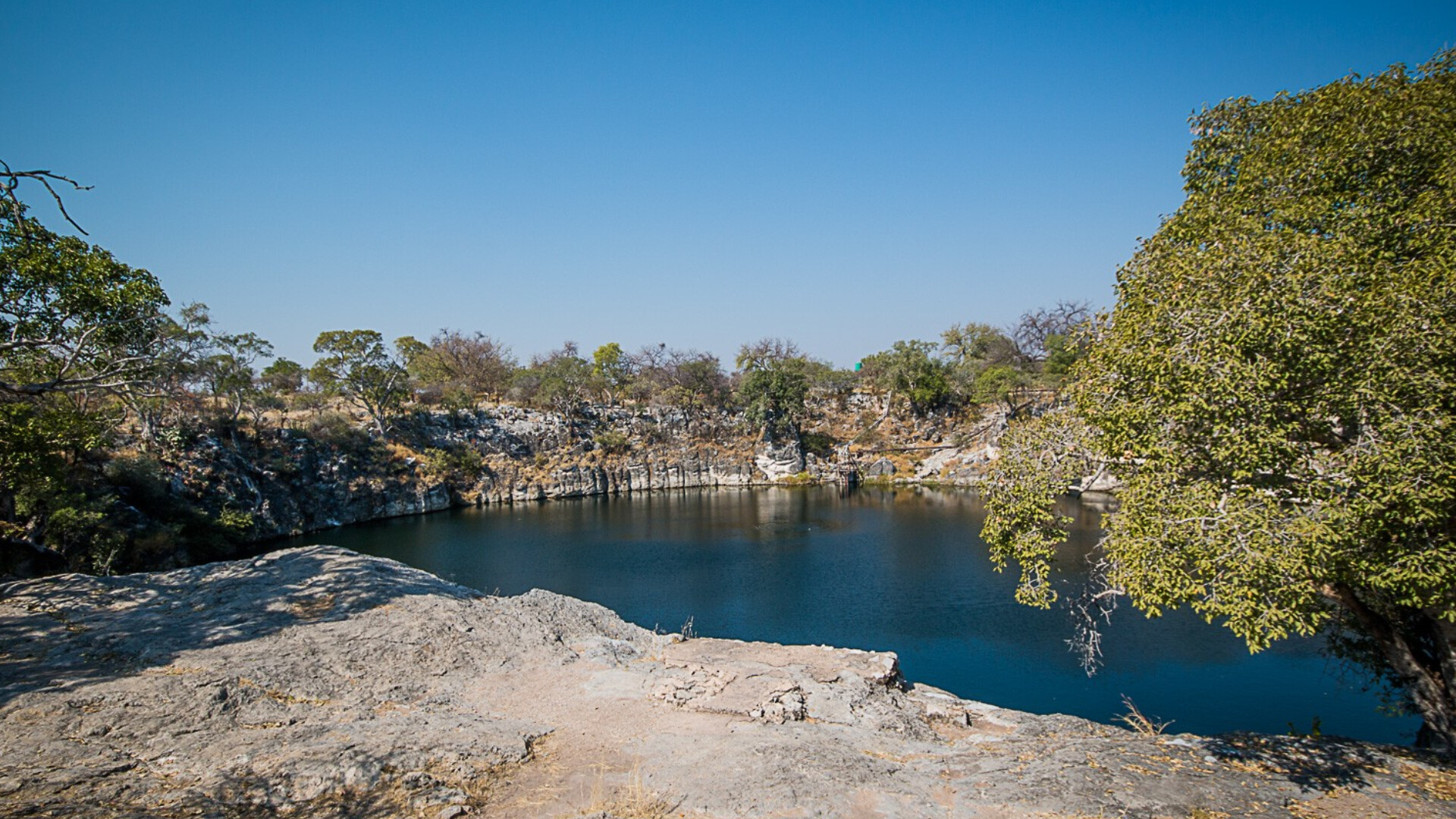
Makapan Valley, located near Mokopane in Limpopo province, is one of South Africa’s most important archaeological and paleoanthropological landscapes. This limestone valley contains a cluster of caves that together preserve evidence of human and hominin activity spanning several million years. From early human ancestors to later Stone Age communities, Makapan Valley offers a layered record of biological evolution, cultural development, and ritual behavior. Today, the valley stands as both a site of global scientific importance and an engaging destination for visitors interested in deep history, exploration, and meaningful heritage experiences.
The archaeological significance of Makapan Valley lies in its extraordinary fossil record. The caves in the valley, including the famous Limeworks Cave, have yielded remains of early hominins dating back more than three million years. Among the most notable discoveries is the Makapansgat pebble, a naturally shaped stone found among hominin remains and believed to have been collected because it resembled a human face. This object has been interpreted by some researchers as evidence of early symbolic awareness, suggesting that even very early hominins may have perceived meaning beyond practical survival needs.
Makapan Valley is also closely associated with the study of Australopithecus africanus, a species central to understanding human evolution. Fossils from the valley have contributed significantly to knowledge about early hominin anatomy, diet, and environment. These discoveries helped establish southern Africa as a key region in the study of human origins, alongside sites such as the Cradle of Humankind. For visitors, learning about these findings places Makapan Valley among the most important locations on Earth for understanding where humanity comes from.
Beyond fossils, Makapan Valley provides insight into later phases of human history. Archaeological evidence shows that Stone Age hunter-gatherers and later farming communities used the caves for shelter, ritual activities, and refuge. One of the most compelling aspects of the valley’s history is its association with ritual behavior. Certain caves appear to have been used for ceremonial purposes, reflecting belief systems and spiritual practices that connected people to the landscape. This continuity of human use over immense periods of time makes Makapan Valley a powerful symbol of long-term human presence.
Modern scientific interest in Makapan Valley began in the early twentieth century, when limestone mining exposed fossil-rich deposits. Subsequent research by South African and international scientists transformed the valley into a cornerstone of paleoanthropological study. Today, ongoing research continues to refine timelines and interpretations, ensuring that Makapan Valley remains an active contributor to scientific knowledge rather than a static relic of the past.
For visitors, Makapan Valley offers an experience that combines education, exploration, and natural beauty. Guided tours of accessible caves provide explanations of the archaeological and fossil evidence, allowing visitors to visualize how early humans and their ancestors lived. Walking through these caves creates a tangible connection to deep time, as visitors stand in spaces that sheltered beings millions of years ago. This sense of physical connection is one of the most compelling aspects of the site.
The valley’s natural setting enhances its appeal as a destination. Surrounded by rolling hills and bushveld vegetation, Makapan Valley offers scenic views and opportunities for nature appreciation. Hiking trails and interpretive paths allow visitors to explore the area at a relaxed pace, combining outdoor enjoyment with learning. This balance makes the site suitable for families, students, and heritage tourists seeking both insight and leisure.
Educationally, Makapan Valley plays a vital role in communicating the complexity of human evolution. Interpretive materials and guided explanations help visitors understand how fossils are dated, how archaeologists reconstruct past environments, and why certain discoveries are so significant. By presenting this information in accessible ways, the site bridges the gap between advanced scientific research and public understanding.
The economic and social impact of Makapan Valley as a heritage site is also important. Tourism supports conservation efforts and provides opportunities for local employment in guiding and site management. By valuing the valley as a cultural and scientific resource, these initiatives help ensure its protection while sharing its stories with a wider audience.
The broader importance of Makapan Valley lies in its ability to connect different chapters of human history within a single landscape. From early hominins to later cultural traditions, the valley shows how humans and their ancestors continually adapted to changing environments while maintaining connections to place. For visitors, this long perspective fosters a deeper appreciation of humanity’s resilience and creativity.
Makapan Valley is a site where fossils, archaeology, and cultural meaning come together to tell a profound human story. Its caves preserve some of the oldest evidence of human ancestry, while its later archaeological remains reveal complex social and ritual practices. As a destination, Makapan Valley offers an enriching and enjoyable experience that combines deep history with natural exploration. By visiting this remarkable landscape, people gain insight into the long journey of human evolution and the enduring relationship between humans and their environment.
Leave a Reply