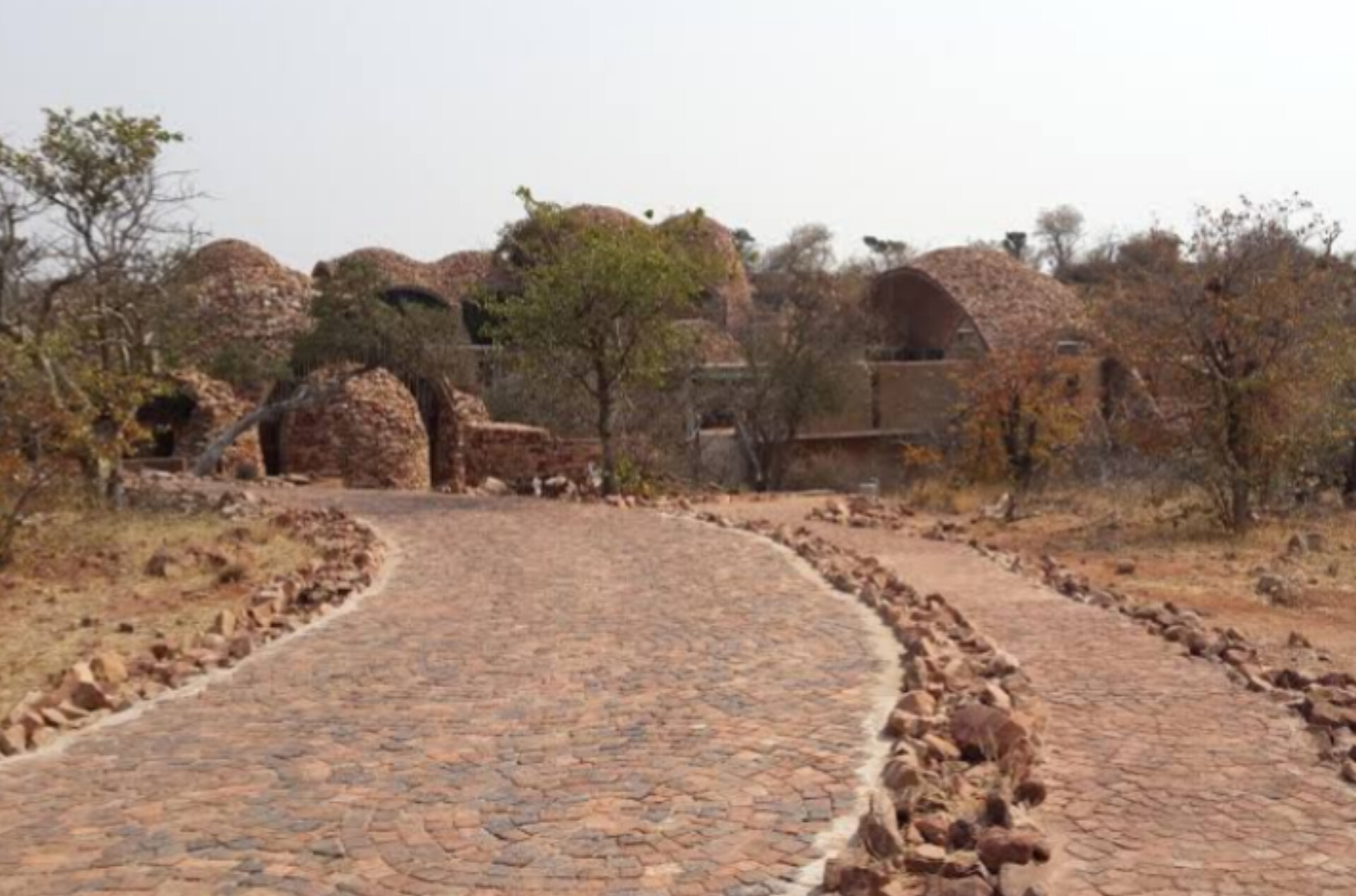
Located in the far northern part of South Africa in Limpopo province, is one of the most important archaeological and historical sites in Southern Africa. Recognized as a UNESCO World Heritage Site, Mapungubwe represents the earliest known indigenous kingdom in southern Africa, flourishing between approximately 900 and 1300 AD. Situated at the confluence of the Limpopo and Shashe rivers, where South Africa, Botswana, and Zimbabwe meet, Mapungubwe occupies a strategically significant location that supported trade, political organization, and cultural development. Today, it offers visitors a rare opportunity to explore ancient ruins, breathtaking landscapes, and a deep, sophisticated history while enjoying a memorable and engaging tourism experience.
The archaeological significance of Mapungubwe lies in its role as the center of a complex, hierarchical society that marked a major turning point in southern Africa. Unlike earlier communities that were largely egalitarian, Mapungubwe society was clearly stratified, with a ruling elite separated from the general population. This is most evident in the spatial layout of the settlement, where the elite lived atop Mapungubwe Hill while commoners occupied areas below. This separation reflects an advanced political system and social organization, demonstrating that complex state formation developed independently in southern Africa.
One of the most famous discoveries at Mapungubwe is the golden rhinoceros, a small but powerful symbol of the kingdom’s wealth and craftsmanship. Discovered in a royal grave on Mapungubwe Hill in 1932, the golden rhinoceros was made by carefully hammering thin sheets of gold over a wooden core. Alongside it were other gold objects, beads, and ceremonial items, indicating both material wealth and strong spiritual or symbolic traditions. These artifacts confirmed that Mapungubwe was part of extensive long-distance trade networks, exchanging goods such as gold and ivory for glass beads and ceramics from as far away as China, India, and the Middle East.
The rediscovery of Mapungubwe in modern times is a fascinating chapter in South African archaeology. Although local communities had long known about the hill and its significance, the site came to academic attention in the early twentieth century when students from the University of Pretoria explored the area in 1932. Subsequent excavations revealed its immense historical value, although early interpretations were often limited by the social and political attitudes of the time. Over the decades, continued research and reassessment restored Mapungubwe to its rightful place as an ancient African kingdom, reshaping historical narratives and highlighting indigenous traditional life and governance.
For visitors today, Mapungubwe offers an experience that combines archaeology, natural beauty, and recreation. The Mapungubwe National Park, managed by South African National Parks, allows tourists to explore ancient sites while also enjoying wildlife viewing and scenic landscapes. Guided tours of Mapungubwe Hill provide insight into the political and spiritual life of the ancient kingdom, explaining burial practices, leadership structures, and belief systems. Standing atop the hill, visitors can look out over the surrounding plains and rivers, gaining a sense of why this location was chosen as a center of power and trade.
The Mapungubwe Interpretation Centre further enhances the visitor experience by presenting artifacts, replicas, and detailed explanations of the site’s history. Through exhibitions and multimedia displays, visitors learn about daily life in the kingdom, including farming, metalworking, trade, and ritual practices. The center helps transform ruins and artifacts into a vivid story, making the ancient past accessible and engaging even for those with no background in archaeology. This educational aspect is a key reason why Mapungubwe is both a fun and meaningful destination.
In addition to its archaeological appeal, Mapungubwe is set within a landscape of exceptional natural beauty. The park features sandstone formations, riverine forests, and open savannahs that are home to a wide variety of wildlife, including elephants, antelope, and numerous bird species. Visitors can enjoy game drives, walking trails, and birdwatching, creating a unique blend of cultural tourism and eco-tourism. This combination allows visitors to experience the land much as ancient inhabitants did, appreciating the close relationship between people, environment, and survival.
Economically, the development of Mapungubwe as a heritage and tourism site has contributed to local development. Tourism has created employment opportunities in guiding, conservation, hospitality, and park management. Nearby communities benefit from increased visitor activity, while conservation efforts ensure that both cultural and natural resources are preserved. This balance between preservation and development demonstrates how archaeological sites can support sustainable tourism when managed responsibly.
The broader significance of Mapungubwe extends beyond South Africa’s borders. As part of a network of Iron Age sites that includes Great Zimbabwe, Mapungubwe provides crucial evidence of early state formation and regional interaction in southern Africa. Its existence challenges outdated historical assumptions and highlights Africa’s long-standing role in global trade and cultural exchange. For international visitors, Mapungubwe offers a powerful counter-narrative that deepens understanding of Africa’s past.
The Mapungubwe Cultural Landscape is a place where archaeology, history, and natural beauty come together to create a rich and rewarding visitor experience. Its ancient ruins and remarkable artifacts tell the story of a sophisticated African kingdom that thrived through innovation, trade, and leadership. At the same time, its scenic environment and modern visitor facilities make it an enjoyable destination for exploration and relaxation. By preserving and presenting this heritage, Mapungubwe allows visitors to step into a world where power, culture, and environment were deeply interconnected, making it one of South Africa’s most meaningful and enjoyable archaeological sites to explore.
Leave a Reply